
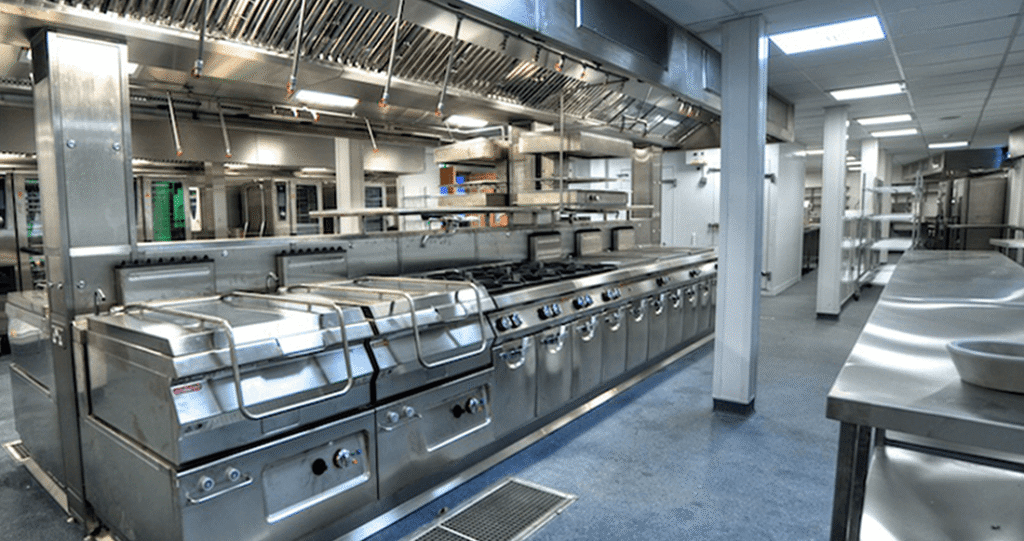
Commercial kitchens depend on efficiency. Every appliance—from your walk-in freezer to your dishwasher—must operate perfectly to keep service running smoothly. When equipment breaks down, the consequences are immediate: delayed orders, frustrated customers, and lost revenue.
The best way to avoid these disruptions is through preventative maintenance. Instead of waiting for equipment to fail, preventative maintenance keeps everything running efficiently, safely, and reliably.
Why Preventative Maintenance Matters
Preventative maintenance is more than just an inspection—it’s a strategy that helps restaurants and commercial kitchens:
- Reduce downtime
- Extend equipment lifespan
- Improve energy efficiency
- Avoid food safety violations
- Lower repair costs
- Increase productivity
Commercial equipment is expensive, and maintenance protects that investment.
1. Prevent Breakdowns Before They Happen
Most equipment failures don’t happen overnight—they develop slowly over time. Small, unnoticed issues eventually turn into major breakdowns.
Examples include:
- Refrigeration coils collecting dust
- Worn-out gaskets leaking cold air
- Burners and ovens losing calibration
- Dishwashers developing heating issues
Regular maintenance catches these early signs before they escalate.
2. Lower Energy Consumption
Poorly maintained equipment uses far more energy. For example:
- A dirty condenser coil forces freezers to run longer
- A misaligned burner wastes gas
- A failing motor draws more power
Preventative maintenance ensures optimal performance and lower operating costs.
3. Improve Food Safety Compliance
Restaurants are held to strict health and safety standards. Malfunctioning equipment can lead to:
- Unsafe food temperatures
- Cross-contamination
- HACCP violations
Regular maintenance keeps your kitchen inspection-ready at all times.
4. Extend Equipment Lifespan
Commercial appliances can last 10+ years with proper care—but only if they are serviced consistently.
Maintenance reduces wear and tear, helping major assets like:
- Walk-in freezers
- Refrigerators
- Dishwashers
- Ovens & cooking equipment
- Steam tables
last significantly longer.
5. Keep Your Kitchen Running Efficiently
Smooth operations rely on equipment that performs correctly every day. Preventative maintenance ensures:
- Faster cooking times
- Consistent temperatures
- Proper cleaning and sanitization
- Less strain on staff
When employees trust the equipment, service flows effortlessly.
What a Preventative Maintenance Program Includes
A comprehensive commercial kitchen maintenance plan typically covers:
- Performance diagnostics
- Cleaning of coils, filters, and fans
- Calibration of temperature controls
- Door seal replacement
- Lubrication of moving parts
- Electrical and gas safety checks
- Written service reports
This proactive approach reduces emergency repair calls dramatically.
Why Restaurants Choose Scheduled Maintenance Plans
Restaurants prefer scheduled maintenance because it provides:
- Predictable monthly/quarterly costs
- Fewer emergency breakdowns
- Verified compliance documentation
- Longer equipment lifespan
Most importantly, it ensures business continuity, the backbone of every successful kitchen.
Conclusion
Preventative maintenance is the smartest investment you can make for your commercial kitchen. It protects your equipment, ensures food safety, and eliminates costly downtime. With Barton Service’s scheduled maintenance programs, you can keep your kitchen running at peak performance every day of the year.
Frequently Asked Questions
Preventative maintenance involves routine inspections, cleaning, and equipment adjustments to ensure all commercial kitchen equipment operates safely and efficiently.
Most commercial kitchens require quarterly preventative maintenance, while high-volume restaurants often benefit from monthly service.
Yes. Properly cleaned and calibrated equipment operates more efficiently and can significantly reduce energy consumption.
Absolutely. Most cooling system failures occur due to poor maintenance, dirty condenser coils, and worn-out components.
Yes. Preventative maintenance lowers emergency repair expenses, protects food inventory, and extends the overall lifespan of commercial kitchen equipment.